
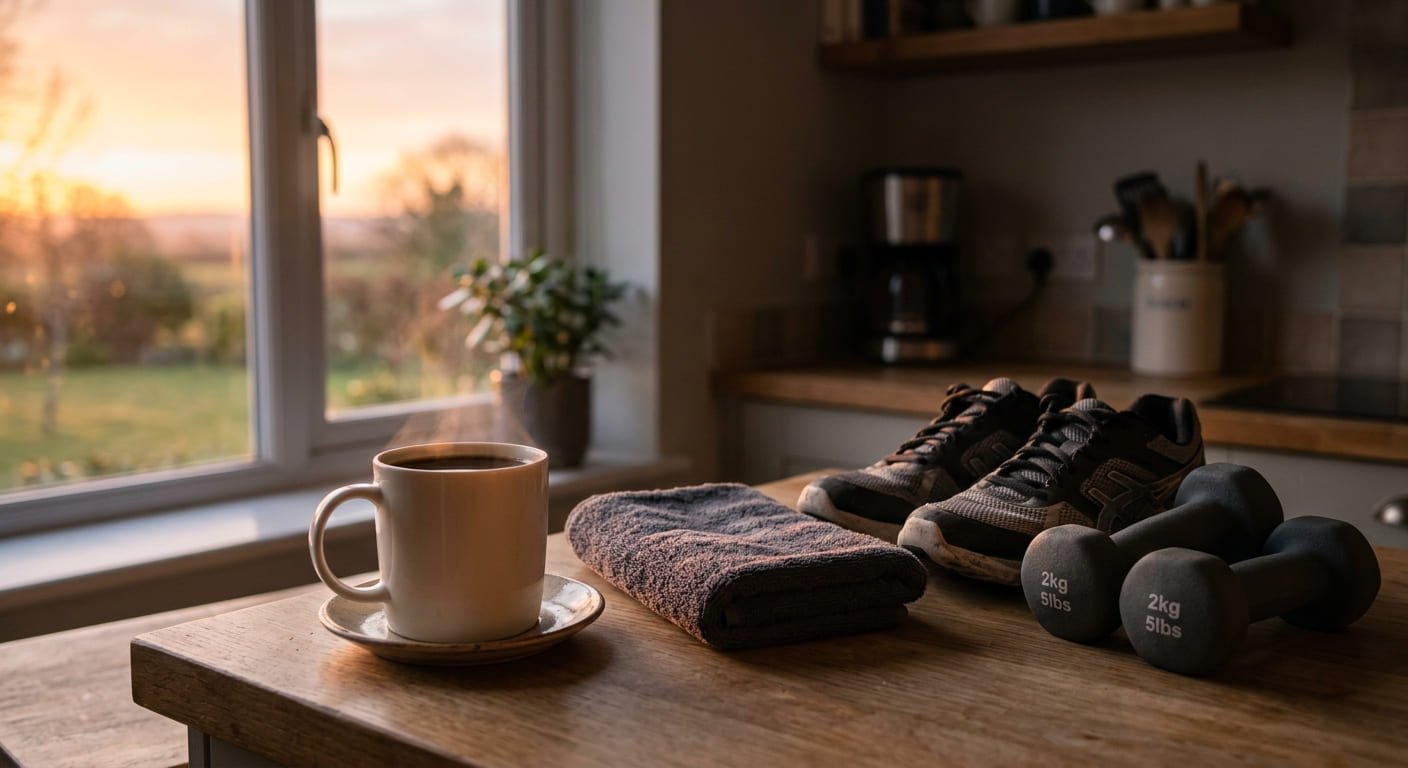
Coffee Before a Workout: Does It Help, and How Much Is Too Much?
For most healthy adults, a cup or two of coffee about 30 to 60 minutes before a workout is a safe, cheap and genuinely effective pre-workout. Caffeine is one of the best-researched performance aids in sport, and it can help you feel more alert, work a little harder and find exercise slightly easier. You don’t need a lot, though, and more isn’t better. Too much can leave you jittery, upset your stomach or wreck your sleep.
For years I drank a big mug of strong coffee before every morning workout without thinking about it. Some days it made me feel sharp and ready. Other days I felt shaky, my heart raced during warm-ups, and I had to make an urgent trip to the toilet halfway through a session. Learning how much caffeine was actually in my mug, and when to drink it, made a big difference.
This guide explains what caffeine does for exercise, how much coffee to drink and when, the difference between black coffee and pre-workout supplements, and who should skip it altogether.
At a glance
- Does it help? Yes, for many people, modestly
- When to drink it: 30 to 60 minutes before exercise
- Research-based effective dose: about 3 to 6 mg of caffeine per kg of body weight
- Lower doses: even 1 to 2 cups can help many people
- Daily upper limit for most healthy adults: around 400 mg of caffeine
- Avoid close to bedtime: caffeine can affect sleep for many hours
- Skip or check first if: pregnant, anxious, heart conditions or very caffeine sensitive
Does coffee before a workout actually help?
Yes, for many people. Caffeine is one of the few supplements with consistently strong evidence for improving exercise performance. The International Society of Sports Nutrition’s 2021 position stand on caffeine concluded that moderate doses can improve performance across a wide range of activities, including endurance exercise, high-intensity efforts and some types of strength training.
The effects most people notice are:
- More alertness and focus, especially in early morning workouts
- Exercise feeling slightly easier at the same effort
- A little more endurance in longer sessions
- Small improvements in power and strength for some people
The benefits are real but modest. Coffee won’t turn a poor workout into a great one, but it can make a decent one feel a little better.
How caffeine works during exercise
Caffeine mainly works by blocking adenosine, a chemical in your brain that builds up during the day and makes you feel tired. With adenosine blocked, you feel more awake and alert.
During exercise, that translates into:
- Lower perceived effort. The same workout feels a little easier.
- Better focus. Useful for technique-heavy or long sessions.
- Reduced feelings of fatigue, which can help you keep going for longer.
Caffeine usually reaches peak levels in your blood within about 30 to 60 minutes of drinking it. Its effects then fade gradually over several hours, which is why coffee late in the day can interfere with sleep.
How much coffee should you drink before a workout?
Research on caffeine and exercise usually uses doses of around 3 to 6 mg per kg of body weight. For many people, that’s more than they’d normally drink in one go, and lower doses of around 1 to 2 mg per kg can still help, especially if you’re sensitive to caffeine.
| Body weight | Lower dose (about 1 to 2 mg/kg) | Research range (3 to 6 mg/kg) |
|---|---|---|
| 50 kg | 50 to 100 mg | 150 to 300 mg |
| 60 kg | 60 to 120 mg | 180 to 360 mg |
| 70 kg | 70 to 140 mg | 210 to 420 mg |
| 80 kg | 80 to 160 mg | 240 to 480 mg |
| 90 kg | 90 to 180 mg | 270 to 540 mg |
For most beginners, starting at the lower end makes the most sense. You’ll get much of the benefit with far fewer side effects. Going above about 6 mg per kg doesn’t improve performance for most people, and it makes side effects much more likely.
The European Food Safety Authority considers up to about 400 mg of caffeine a day safe for most healthy adults, with single doses of up to about 200 mg unlikely to cause problems. That daily limit includes all your caffeine sources: coffee, tea, energy drinks, chocolate and pre-workout supplements.
How much caffeine is in your coffee?
This is where many people go wrong, because caffeine content varies enormously depending on the type of coffee, how it’s made and the size of the cup.
| Drink | Approximate caffeine |
|---|---|
| Instant coffee, one mug | 60 to 80 mg |
| Filter or brewed coffee, one mug | 80 to 140 mg |
| Single espresso shot | 60 to 80 mg |
| Large coffee shop coffee | 150 to 300 mg or more |
| Cold brew, large | 150 to 250 mg or more |
| Decaf coffee | 2 to 15 mg |
| Black or green tea, one mug | 30 to 60 mg |
| Pre-workout supplement, one scoop | 150 to 350 mg or more |
A large takeaway coffee can easily contain two or three times as much caffeine as a mug of instant at home. If you’re following a specific dose, check the caffeine content where you can, or stick to a drink you know.
When to drink coffee before a workout
Most people do best drinking coffee 30 to 60 minutes before they start. That gives the caffeine time to reach its peak effect as your warm-up ends and your main session begins.
| Timing | What to expect |
|---|---|
| Right before training | Effects may kick in partway through |
| 30 to 60 minutes before | Best timing for most people |
| More than 2 hours before | Effects may be starting to fade |
| Late afternoon or evening | Higher risk of affecting your sleep |
If you train in the evening, think carefully. Caffeine can stay in your system for many hours, and poor sleep will undo far more than a cup of coffee helps. For many people, avoiding caffeine for at least six hours before bed is a sensible rule. My guide to the best time of day to work out covers other factors that affect your training time.
Is black coffee a good pre-workout?
Black coffee is a great simple pre-workout. It has almost no calories, it’s cheap, and it gives you caffeine without the extra ingredients found in many supplements.
Adding milk is fine if you prefer it, though a large milky coffee right before a hard workout can sit heavily for some people. Adding lots of sugar or syrups turns coffee into a sugary drink, which isn’t necessary for most workouts.
Coffee vs pre-workout supplements
| Coffee | Pre-workout supplement | |
|---|---|---|
| Caffeine | Varies, usually moderate | Often high, sometimes 300 mg or more per scoop |
| Other ingredients | None | Often beta-alanine, citrulline, sweeteners, flavours |
| Cost | Cheap | Expensive per serving |
| Side effects | Jitters, stomach upset if too much | Jitters, tingling, stomach upset, sleep problems |
| Evidence | Strong for caffeine itself | Varies a lot by product and ingredient |
For most beginners, coffee does the main job of a pre-workout supplement at a fraction of the cost. Many supplements contain very high caffeine doses, sometimes combined with other stimulants, which makes it easy to overdo it, especially if you also drink coffee during the day.
Possible side effects
Coffee before a workout isn’t right for everyone. Common side effects, especially with higher doses, include:
- Jitters or shakiness
- A racing or pounding heart
- Anxiety or feeling on edge
- Stomach upset, cramps or needing the toilet urgently, which can be very inconvenient during running or HIIT
- Heartburn, especially on an empty stomach
- Trouble sleeping, even if you drink coffee earlier in the day
If coffee upsets your stomach during exercise, try drinking it earlier, having a smaller amount, or pairing it with a small snack. My guides on stomach pain after a workout and feeling bloated after a workout cover other possible causes too.
Coffee on an empty stomach before a workout
Many people train first thing in the morning with just coffee, and for plenty of them it works well. Others find coffee on an empty stomach causes jitters, nausea or heartburn.
If that’s you, try a small snack alongside your coffee, like half a banana or a slice of toast. My guide to working out on an empty stomach explains how to decide whether training fasted suits you, and what to eat before a workout has quick snack ideas.
Who should avoid coffee before exercise?
Coffee before training isn’t a good idea for everyone. Check with your doctor before using caffeine to boost workouts, or avoid it, if you:
- Are pregnant or breastfeeding, as caffeine limits are lower, often around 200 mg a day
- Have a heart condition or an irregular heartbeat
- Have high blood pressure that isn’t well controlled
- Experience anxiety or panic attacks, which caffeine can worsen
- Have acid reflux or stomach ulcers
- Take medications that interact with caffeine
- Are very sensitive to caffeine or have trouble sleeping
- Are under 18, as young people generally need to limit caffeine
Never combine coffee with high-caffeine pre-workout supplements or energy drinks without checking the total caffeine. It’s easy to go far above safe amounts without realising, especially if you’re drinking coffee through the day as well.
Does coffee dehydrate you before exercise?
This is a common worry, but moderate coffee intake doesn’t seem to meaningfully dehydrate most regular coffee drinkers. The fluid in the coffee largely offsets its mild diuretic effect.
That said, coffee shouldn’t replace water. Drink water through the day and around your workouts as usual, especially in hot weather or during sweaty sessions. The water intake calculator gives you a personal daily target.
Does caffeine tolerance matter?
If you drink a lot of coffee every day, you may notice its effects less over time. Some research suggests caffeine can still improve performance in regular users, but the effect can feel less dramatic.
A few practical tips:
- Keep your everyday intake moderate rather than drinking lots of strong coffee all day
- Save your pre-workout coffee for the sessions where you want the most benefit, like hard intervals or long workouts
- If you want to reduce your intake, cut down gradually to avoid headaches and tiredness
Coffee for different types of workout
| Workout | Coffee before? | Notes |
|---|---|---|
| Easy walk or gentle cardio | Optional | Little need, but fine if you enjoy it |
| Morning strength session | Helpful for many | Can improve alertness and focus |
| HIIT or interval training | Often helpful | Watch for stomach upset with jumping and running |
| Long run or bike ride | Often helpful | Timing matters, avoid too much at once |
| Evening workout | Use caution | Can disturb sleep, consider decaf or skip |
If you do HIIT, remember that a racing heart from too much caffeine on top of hard intervals can feel uncomfortable. Start with a smaller dose before sessions like my HIIT workout for beginners at home.
Alternatives if coffee doesn’t suit you
- Green or black tea: less caffeine and often gentler on the stomach
- Decaf coffee: the ritual without most of the caffeine
- A small carbohydrate snack: like a banana, for energy without caffeine
- Better sleep: honestly the best performance booster there is
- A proper warm-up: helps you feel alert and ready in its own way
If you use protein shakes around training as well, my guide on protein shakes before or after a workout covers timing for those.
Is decaf worth it before a workout?
Decaf won’t give you the performance benefits of caffeine, because most of the caffeine has been removed. But it isn’t pointless. For some people, the ritual of a warm drink before training helps them feel ready, and decaf gives you that without the jitters or sleep problems.
Decaf is a good choice if you train in the evening, if you’re cutting down on caffeine, or if you simply enjoy the taste but find regular coffee makes you anxious. Just remember that decaf isn’t completely caffeine free, so if you’re very sensitive, a small amount can still have a mild effect.
Coffee and exercise myths
| Myth | The reality |
|---|---|
| Coffee dehydrates you so much you shouldn’t exercise after it | Moderate coffee doesn’t meaningfully dehydrate most regular drinkers |
| More caffeine always means a better workout | Benefits level off, and side effects rise with bigger doses |
| Coffee is a replacement for eating before training | It gives you alertness, not fuel, for longer or harder sessions |
| Coffee burns belly fat | Any fat-burning effect is small and not targeted to your stomach |
| Pre-workout supplements are always better than coffee | For most beginners, coffee gives the main benefit far more cheaply |
| Coffee is bad for your heart during exercise | Moderate amounts are generally fine for healthy adults, but people with heart conditions should check first |
Caffeine, sleep and recovery
This is the downside that catches most people out. Caffeine can affect sleep even when you don’t feel wired at bedtime. It can make it harder to fall asleep, reduce the amount of deep sleep you get, and leave you feeling less rested the next day.
Sleep is when a lot of recovery happens, so a pre-workout coffee that damages your sleep can end up doing more harm than good, especially if you train in the late afternoon or evening. Poor sleep also tends to increase appetite and make the next workout feel harder.
A practical approach:
- Keep caffeine to the morning and early afternoon where possible
- Avoid caffeine for at least six hours before bed, or longer if you’re sensitive
- Use decaf or no coffee before evening workouts
- Notice whether your sleep changes on days you train with caffeine
If you’re choosing between a pre-workout coffee and a good night’s sleep, the sleep wins every time.
How to find your ideal coffee routine
Everyone responds to caffeine differently, so the best approach is to test it for yourself:
- Start with one normal cup, around 60 to 100 mg of caffeine, 45 minutes before training.
- Use the same timing for a week or two.
- Notice how you feel: alertness, effort, stomach comfort and sleep that night.
- If you felt good and slept well, you can keep it there or increase slightly.
- If you felt jittery, anxious or slept badly, cut back or move your coffee earlier.
Keep notes for a couple of weeks. You’ll quickly find the amount and timing that helps you without the downsides.
Example coffee routines
| Your situation | A sensible approach |
|---|---|
| Morning workout at 7 am | One normal cup at around 6:15, plus half a banana if your stomach is sensitive |
| Lunchtime workout | A cup mid-morning, then water before training |
| Evening workout at 6 pm | Decaf, green tea, or no caffeine to protect your sleep |
| Long weekend run or ride | One cup 45 to 60 minutes before, with breakfast |
| Very caffeine sensitive | Half a cup, or tea instead, and see how you feel |
None of these are rules. They’re starting points you can adjust once you know how your body responds. The pattern that matters is simple: modest amounts, earlier in the day, with enough time before training for the caffeine to kick in, and enough time before bed for it to wear off.
The bottom line
Coffee is a simple, cheap and effective pre-workout for many healthy adults. Drink it around 30 to 60 minutes before training, start with a modest amount, and avoid it too close to bedtime. Black coffee gives you caffeine without extra calories or ingredients, and for most beginners it does the job of an expensive pre-workout supplement.
But it’s not for everyone. If you’re pregnant, have heart problems, anxiety or high blood pressure, or you’re very sensitive to caffeine, check with your doctor first or skip it. And no amount of coffee replaces good sleep, sensible eating and consistent training. Think of it as a small, optional boost on top of the habits that actually build your fitness.
If you rely on coffee because workouts leave you drained, my guide on feeling tired after a workout covers the usual reasons and a simple 7-day reset.
Frequently asked questions
Is coffee a good pre-workout?
For many healthy adults, yes. Caffeine is well researched and can improve alertness, reduce perceived effort and slightly improve endurance and strength. Black coffee is a cheap, simple alternative to pre-workout supplements.
How long before a workout should I drink coffee?
About 30 to 60 minutes before exercise works best for most people, as caffeine usually reaches its peak level in the blood within that time. Drinking it right before training may mean the effects kick in partway through.
How much coffee should I drink before a workout?
Research often uses about 3 to 6 mg of caffeine per kilogram of body weight, but many people benefit from lower amounts, around 1 to 2 mg per kilogram. For most beginners, one normal cup is a good starting point.
Is it bad to drink coffee before a workout?
For most healthy adults, a moderate amount of coffee before exercise is safe. It can cause jitters, stomach upset or poor sleep if you drink too much or too late. People who are pregnant or have heart problems, anxiety or high blood pressure should check with their doctor.
Is black coffee better than pre-workout supplements?
For most beginners, black coffee provides the main benefit of a pre-workout supplement, which is caffeine, without extra ingredients or high cost. Many supplements contain very high caffeine doses that make side effects more likely.
Can I drink coffee on an empty stomach before a workout?
Many people can, but some get jitters, nausea or heartburn. If coffee on an empty stomach bothers you, have a small snack like half a banana or a slice of toast with it.
Does coffee before a workout burn more fat?
Caffeine may slightly increase fat use during exercise and help you work a little harder, but the effect on fat loss is small. Weight loss depends mainly on your overall eating and activity over time.
Should I drink coffee before an evening workout?
Be cautious. Caffeine can stay in your system for many hours and disturb sleep, which harms recovery. Many people avoid caffeine for at least six hours before bed and choose decaf or no coffee for evening workouts.